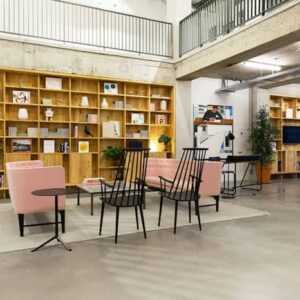
The evolution of the coworking sector over the past decade has been nothing short of transformative, reshaping how individuals and businesses perceive office space. Initially designed to cater to freelancers and startups seeking affordable, flexible work environments, coworking spaces have rapidly expanded to accommodate corporations, remote workers, and digital nomads. This growth has been driven by the broader shift toward flexible work arrangements and the increasing demand for spaces that foster collaboration and innovation. As coworking spaces have proliferated, they have diversified in terms of size, style, and services offered, reflecting the varying needs of the modern workforce. Large, corporate-style coworking hubs have become commonplace in major cities worldwide, providing extensive amenities and a bustling community atmosphere.
Emergence of Boutique Spaces
Amidst the proliferation of large-scale coworking spaces, a new trend is emerging: the rise of boutique coworking spaces. These smaller, more intimate environments offer a distinct departure from the often impersonal and bustling nature of larger coworking hubs. Boutique spaces prioritize a personalized, community-focused experience, attracting professionals who value quality over quantity in their work environment. Characterized by unique design elements and a curated atmosphere, boutique coworking spaces cater to individuals and small teams seeking a more tailored and engaging workspace.
The emergence of boutique coworking spaces is a response to the growing demand for environments that provide not just a place to work, but a sense of belonging and community. These spaces often emphasize local culture and aesthetics, offering a distinctive alternative to the more generic offerings of larger chains. As the desire for personalized experiences continues to rise, boutique coworking spaces represent a significant shift in the industry, highlighting the importance of smaller, community-oriented environments in meeting the diverse needs of today’s workforce. This trend underscores the idea that in the world of coworking, small is indeed becoming the new big.
Advantages of Boutique Coworking Spaces
Personalized Experience
Boutique coworking spaces are increasingly favored for their ability to offer a personalized experience that larger coworking environments often struggle to provide. These smaller spaces are designed with a keen attention to detail, creating a unique atmosphere that reflects the local culture and the specific needs of their members. The personalized approach of boutique spaces extends beyond aesthetics; it includes tailored services and amenities that cater to the diverse preferences of individuals and small teams. Members often enjoy more flexible arrangements, such as customizable workstations and membership plans, that align with their specific professional requirements. This level of customization enhances member satisfaction, as individuals feel their unique needs and preferences are acknowledged and addressed. Boutique spaces often cultivate an environment where members can have direct input into the space’s offerings and operations, fostering a sense of ownership and belonging that is difficult to achieve in larger coworking settings.
Community Focus
At the heart of boutique coworking spaces is a strong focus on community, which sets them apart from their larger counterparts. These spaces are designed to foster meaningful connections and facilitate collaboration among members. The intimate scale of boutique coworking environments allows for more personalized interactions, where members can form genuine relationships and networks. Regularly organized events, such as workshops, networking sessions, and social gatherings, are tailored to the community’s interests and needs, promoting active engagement and knowledge sharing.
The community-centric approach of boutique coworking spaces often results in a supportive and collaborative atmosphere where members are encouraged to share resources, skills, and ideas. This environment can lead to increased opportunities for professional growth and innovation, as members leverage their diverse backgrounds and expertise. Additionally, boutique spaces often emphasize inclusivity and accessibility, creating a welcoming environment for individuals from various industries and backgrounds.
By prioritizing personalized experiences and community focus, boutique coworking spaces offer a compelling alternative to larger, more impersonal environments. They provide a nurturing setting where professionals can thrive, both individually and collectively, making them an increasingly popular choice among those seeking a more tailored and engaging workspace.
Design and Aesthetics
Unique Interiors
One of the defining features of boutique coworking spaces is their emphasis on unique interiors that reflect individuality and creativity. Unlike larger coworking chains, which often adopt a standardized design approach, boutique spaces take pride in crafting environments that are visually striking and uniquely tailored to the local culture and character of the surrounding area. For instance, Monteco Coworking in Budva, Montenegro merges Mediterranean-inspired interiors—whitewashed brick, terracotta accents, and wide sea-view windows—with ergonomic furnishings, proving that compact spaces can deliver both aesthetic charm and day-to-day productivity. This attention to design detail not only creates an aesthetically pleasing atmosphere but also fosters a sense of inspiration and motivation among members. Boutique spaces frequently incorporate elements such as custom artwork, distinctive furniture, and thoughtfully curated decor that resonate with the community they serve. The result is an environment that feels less like a generic office and more like a personalized studio, where creativity and productivity can flourish. These unique interiors contribute to a memorable experience for members, enhancing their connection to the space and encouraging a sense of belonging.
Customization and Flexibility
In addition to their distinctive design, boutique coworking spaces offer a high degree of customization and flexibility, accommodating the diverse needs of their members. This adaptability is a significant advantage for individuals and small teams who require workspaces that can evolve with their changing demands. Boutique spaces often provide customizable workstations, allowing members to personalize their environment to suit their workflow and preferences. Such flexibility extends to membership plans as well, with options ranging from hot-desking to dedicated desks, and even private offices, ensuring that members can choose arrangements that best fit their current projects and commitments.
Furthermore, boutique coworking spaces are typically more agile in responding to feedback and making adjustments to their offerings, whether it involves altering the layout, introducing new amenities, or hosting specific events that align with members’ interests. This responsiveness fosters a collaborative relationship between the space and its community, empowering members to play a role in shaping their work environment. The ability to customize both physical and operational aspects of the workspace makes boutique coworking spaces particularly appealing to professionals seeking a flexible and supportive setting that can adapt to their unique requirements.
Through their unique interiors and commitment to customization and flexibility, boutique coworking spaces create environments that are not only functional but also deeply engaging and personalized. These spaces cater to the evolving needs of modern professionals, providing a compelling alternative to traditional coworking models and reinforcing the notion that small is indeed the new big in the world of coworking.
Target Audience
Freelancers and Small Teams
Boutique coworking spaces are particularly well-suited to freelancers and small teams, offering an environment that caters to their specific needs for flexibility, community, and cost-effectiveness. For freelancers, who often juggle multiple projects and require a versatile workspace, boutique spaces provide the perfect blend of structure and freedom. These spaces typically offer flexible membership plans that accommodate fluctuating schedules and budgets, allowing freelancers to utilize the space as needed without long-term commitments. The intimate scale of boutique coworking environments fosters a sense of community, providing freelancers with valuable networking opportunities and access to resources and support that might be challenging to find independently. For small teams, boutique coworking spaces offer a collaborative atmosphere with the added benefit of private areas where group work can flourish. The ability to customize workspaces to fit team dynamics and project requirements is an attractive feature, enabling small teams to create a productive and cohesive work environment.
Creative Professionals
Creative professionals, including artists, designers, and writers, are another key demographic drawn to boutique coworking spaces. The unique interiors and design-focused approach of these spaces resonate with individuals who value aesthetics and inspiration in their work environment. Boutique spaces often incorporate elements that stimulate creativity, such as art installations, diverse materials, and vibrant color schemes, creating an atmosphere conducive to innovative thinking and artistic expression. Additionally, the smaller, community-oriented nature of boutique coworking spaces encourages collaboration and cross-disciplinary interactions, which can lead to new ideas and creative projects.
For creative professionals, the opportunity to engage with a diverse community of like-minded individuals is invaluable. Boutique coworking spaces frequently host events and workshops tailored to the interests of the creative community, providing platforms for skill-sharing and collaboration. These spaces serve as hubs of creativity where professionals can connect, inspire one another, and push the boundaries of their disciplines.
By catering to freelancers, small teams, and creative professionals, boutique coworking spaces fill a niche in the coworking market that emphasizes personalization, community, and inspiration. These spaces offer a compelling alternative to larger, more impersonal coworking environments, highlighting the growing demand for workspaces that support individuality and collaboration in equal measure.
Challenges and Opportunities
Scalability Issues
Boutique coworking spaces, while offering unique benefits, face distinct challenges, particularly when it comes to scalability. The intimate and tailored nature of these spaces is one of their greatest strengths, providing personalized experiences and fostering close-knit communities. However, this very quality can hinder their ability to scale and expand. Unlike larger coworking chains that can replicate their model across multiple locations with relative ease, boutique spaces often rely on localized charm and specific community dynamics that are difficult to duplicate. The challenge lies in maintaining the essence and quality of the original space while expanding to new locations. As these spaces grow, there is a risk of diluting the personalized and community-focused experience that defines them. This necessitates careful consideration in growth strategies, ensuring that each new location retains the unique characteristics that attracted members in the first place. Balancing growth with the boutique ethos requires innovative approaches, such as creating flexible spaces that can adapt to different cultural contexts while maintaining a consistent brand identity.
Market Differentiation
In a competitive coworking market, boutique spaces have the opportunity to stand out through market differentiation. By emphasizing unique design elements, personalized services, and a strong community focus, these spaces can carve out a niche that appeals to specific audiences, such as freelancers, small teams, and creative professionals. Differentiation is key to attracting members who are seeking more than just a desk and Wi-Fi; it’s about offering an experience that resonates on a personal and professional level. Boutique coworking spaces can leverage their smaller size to be more agile and responsive to member feedback, tailoring their offerings to meet the evolving needs of their community.
To achieve effective market differentiation, boutique spaces must clearly communicate their value proposition, highlighting what sets them apart from larger competitors. This could include unique amenities, such as art studios or wellness programs, as well as a commitment to local culture and sustainability. Building a strong brand identity that reflects these values can help boutique coworking spaces attract and retain members who align with their vision.
As the coworking landscape continues to evolve, boutique spaces have the opportunity to redefine what it means to be a coworking community, offering a compelling alternative to the mass-market approach of larger chains. By addressing scalability challenges and emphasizing market differentiation, boutique coworking spaces can thrive, proving that small is indeed the new big in the coworking industry.
Conclusion: Future Outlook
The future of boutique coworking spaces appears promising as the demand for personalized and community-focused work environments continues to grow. As more professionals seek spaces that align with their individual needs and values, boutique coworking spaces are well-positioned to capitalize on this trend. The flexibility and adaptability inherent in their smaller scale allow these spaces to innovate and respond swiftly to changing market demands. In the coming years, we can expect to see an increase in boutique spaces that integrate technology seamlessly, offering hybrid solutions that blend physical and virtual coworking experiences. Additionally, there will likely be a greater emphasis on sustainability and wellness, with spaces incorporating eco-friendly practices and wellness-focused amenities to enhance the overall work experience. As the workforce becomes increasingly diverse and geographically dispersed, boutique coworking spaces will continue to evolve, providing specialized services and environments that cater to niche markets and remote teams.
Impact on the Coworking Industry
The rise of boutique coworking spaces is reshaping the coworking industry by challenging the traditional, one-size-fits-all model of larger chains. These intimate spaces highlight the importance of community, personalization, and local identity, setting new standards for what professionals expect from their work environments. As a result, even larger coworking providers are taking note, incorporating more personalized services and community-driven initiatives to compete with the boutique model. The impact of boutique spaces extends beyond their immediate communities, influencing broader industry trends towards more human-centric and sustainable practices.
Boutique coworking spaces also contribute to diversifying the industry by promoting inclusivity and accessibility. By tailoring their offerings to specific demographics and fostering welcoming environments, they attract a wide range of professionals, from creatives to tech entrepreneurs, enriching the coworking ecosystem. This diversification encourages cross-disciplinary collaboration and innovation, driving the industry forward.
In conclusion, the rise of boutique coworking spaces signifies a shift towards more personalized and community-oriented work environments. As they continue to grow and adapt, these spaces will play a crucial role in redefining the coworking landscape, proving that the future of work is not just about size but about creating meaningful connections and experiences. Through their impact on the industry, boutique coworking spaces are not only meeting the needs of today’s workforce but also shaping the future of work itself.